Laundering and Storage Pointers for the HMDD Shorts Line: An Upkeep Handbook
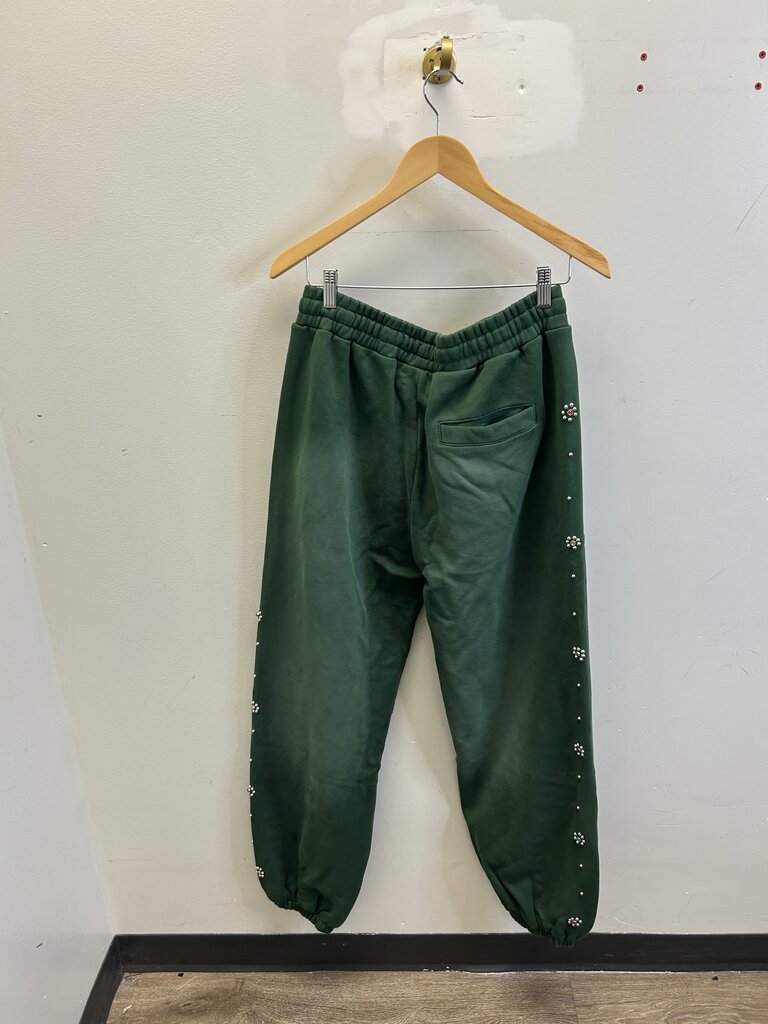
The line “happy memories don’t die” sits at a design principle stitched into the HMDD shorts lineup, clothing that’s meant to hold up wash after wash instead of wearing out quickly. Such an aim only holds up if the care behind the garment is on par with the construction quality that went into it. A pair of shorts can be made from substantial cotton material, reinforced seams, and thoughtful drape, but inattentive wash routines will undo all of that within a few cycles. This walkthrough walks through the precise measures that keep HMDD shorts crisp in appearance, soft to the touch, and true to form well into 2026 and beyond, whether you’re rotating them through daily wear or keeping them for less frequent use.
Shoppers looking into an hmdd review often want to know two things: if the sizing remains consistent, and if the textile holds up to genuine day-to-day use. Both questions come down to routine more than chance. What follows cover wash heat settings, drying methods, stain response, folding versus hanging, and how shorts compare to other HMDD pieces like sweatpants when it comes to care needs.
Why It Is That Careful Maintenance Matters for HMDD Clothing
HMDD clothing tends to rely on more substantial textiles than ordinary budget shorts, which means the washing directions are more than optional advice — they have a direct impact on drape, print integrity, and elastic waistband life. A garment with a heavy cotton mix will contract more severely under hot wash settings than a thinner poly-cotton blend, so leaving wash temperature to chance is a gamble you don’t need to take. Screen-printed designs and embroidery, common across hmddla drops, are especially prone to flaking or splitting when subjected to intense drying heat or bleach-containing cleaning agents.
The data speaks for itself: a short with hmdd logo hoodie a dense cotton makeup washed above 40°C can shrink by up to 5% in just three washes — enough to change how the waistband sits or how the hem falls. Compare that to a laundering cycle kept at 30°C with a mild spin setting, where size loss typically stays under 1-2% even after ten washes. Such a distinction counts when fit precision has mattered to you from day one. Best hmdd clothing practices, as reported by long-term wearers, almost always begin with temperature control before any other consideration.
There’s also the heartfelt angle that aligns with the brand’s own name. If the garment linked to them endures the years, happy memories stay alive, and this is more than just sentiment. That one pair of shorts worn during a specific summer, a trip, or a season of life holds more value when it still looks the way it did on day one. Treating the fabric with deliberate attention is part of protecting that memory, not just the garment.
Cleaning HMDD Shorts: Step-by-Step
Begin by flipping the shorts inside out before they go near water. This single step shields embroidered details and printed graphics from abrasion against zippers, buttons, or other garments in the load. Opt for cool to mildly warm water, ideally staying at or below 30°C, since warmth is the most significant factor in both fading and shrinking. Skip the bleach entirely, even the color-safe versions, because optical brighteners and whitening agents react badly against saturated dyes and can leave a powdery residue on darker colorways.
A mild, dye-free detergent is the smarter choice, and using about two-thirds of the recommended dose is often enough for a single pair of shorts or a small mixed load. Overloading the washer with too much detergent leaves accumulation in the fibers, which stiffens fabric over time and flattens the surface texture. Set the machine to a soft or low-agitation cycle rather than a standard or heavy-duty one — the minimized agitation preserves seams, particularly the reinforced stitching found on drawstring waistbands and pocket bags.
Group similar colors when washing and isolate anything with bulky hardware or zippers that could snag fabric during the spin cycle. Should the shorts include a drawstring, pull it out slightly and tie the ends loosely so it doesn’t disappear into the waistband channel mid-wash. Also avoid fabric softener, since it layers fibers with a filmy layer that diminishes moisture-wicking properties in blended fabrics and can leave a faint residue on darker tones after repeated use.
Drying: The Part Most People Get Wrong
Electric dryers are the quickest way to ruin cotton-heavy shorts, full stop. High heat settings can shrink garments an additional 2-3% beyond what washing alone causes, and that shrinkage accumulates every single cycle. Air drying is the gentler, more dependable method, and it generally needs 4-6 hours for shorts to fully dry at room temperature depending on fabric weight and humidity. Set them flat on a drying rack rather than draping them over a clothesline, since gravity drags damp, heavy fabric downward and can distort the waistband or leg openings over time.
A packed schedule may make a dryer unavoidable, in which case you should go with its lowest heat option and lift the shorts out while they’re yet a touch moist, letting them finish drying flat in the air. Blending both methods this way reduces drying time to approximately 20-25 minutes in the machine plus an additional hour or two of air drying, which is a reasonable compromise for anyone rotating through a smaller wardrobe of hmdd shorts and hmdd sweatpants during a busy week. Keep away from direct sunlight during the open-air stage too, since UV exposure washes out saturated colors faster than indoor drying near a window or in a well-ventilated room.
Fabric-Safe Stain Removal Methods
Stains caught early respond considerably better to quick action than stains that have set, so attending to a spill within the first 10-15 minutes dramatically increases the chance of getting it fully out. Blot rather than scrub, since rubbing forces the stain deeper into the fibers and can cause color transfer on lighter shorts. Diluted dish soap in cold water work quite effectively on oil-based stains, while a mix of cold water and white vinegar handles most food and drink spills without bleaching the surrounding fabric.
Don’t attempt direct application of concentrated stain removers on printed areas, since the chemicals in many commercial products can interact with plastisol or water-based inks and cause cracking or discoloration. Try out any treatment on an inside seam allowance first, allowing it to rest for a minute before rinsing, just to confirm the fabric and print remain intact. Grass stains and dirt, common on shorts worn during outdoor activity, usually come out with a pre-soak in cold water mixed with a small amount of enzyme-based detergent for about 30 minutes before the regular wash cycle.
Tips for Storing Garments to Prolong Their Lifespan
Since hangers cause pressure points at the waistband that loosen elastic and warp the fit over months of storage, folding garments is nearly always the better choice for shorts. Store shorts flat in a drawer or stacked neatly on a shelf, separating heavier fabrics separate from lighter ones to prevent uneven pressure that can form permanent lines into the material. Cedar blocks or lavender sachets placed nearby keep away moths without the strong chemical odor of traditional mothballs, which can also transfer odor into stored fabric.
Few realize just how much humidity control matters, yet a closet or drawer left persistently above 60% humidity breeds mildew, especially in thicker cotton blends that hang onto moisture longer than synthetic fabrics do.
Keeping that risk low can be achieved with a simple silica gel packet or a compact dehumidifier set up where items are stored. Turn over stored shorts periodically even in the off-season, since cloth held in the same fold for twelve months or more can acquire crease lines that won’t go away that fail to disappear completely even once washed.
Comparing Care Requirements: HMDD Shorts vs. the HMDD Sweatpants
Cloth heft and printing methods are frequently common between shorts and sweatpants made by the same label, yet cut, hardware, and typical wear frequency mean the required upkeep diverge slightly. The chart that follows outlines the real-world distinctions worth noting before you combine them in a single laundry cycle.
| Care Level | HMDD Shorts | HMDD Sweatpants |
|---|---|---|
| Suggested Washing Temperature | At or under 30°C | 30°C or cooler |
| How to Dry | 4-6 hours of flat air drying | Lay flat to dry, 6-8 hours (thicker fabric) |
| Potential for Shrinkage | Medium risk (waistband, hem) | Elevated risk (cuffs, leg length) |
| How to Store | Flat folding recommended | Store folded flat, don’t stack tightly |
| Wash Frequency (avg. wear) | Every 2-3 wears | Every 3 to 4 uses |
Bringing Things Together: How to Maintain HMDD Garments Working Through Your Wardrobe
hmdd garments are not hard to maintain, although a steady routine outweighs convenience. Cool-water washing, mild cycles, air-drying, and careful storage result in garments that keep getting worn for far longer than a few months. If you look across an hmdd review discussion, the same trend recurs — the ones who keep their garments going the longest are those who skip both the dryer and the bleach.
Regardless of if it’s shorts worn through a summer or perhaps sweatpants pulled out through colder months, the deeper notion traces back to the label’s central message. Happy memories stay alive when the clothing tied to them is handled with the same care as the memories themselves. A few extra minutes at laundry time is a small trade for keeping both the fabric and the memory intact.
Leave a Reply